

Wood Burners Near Me
Wood burners are a great alternative to electricity or fossil fuels to heat your home. Modern wood stoves emit less emissions and produce more heat with the same amount logs.
Studies of newer EPA-compliant wood stoves show that they can reduce the amount of harmful particulates in the ambient air by about 30 percent. These benefits do not come without limitations.
Cost
If you're looking for a low-cost way to heat your home, a wood-burning stove is an excellent choice. They are available in many styles and designs, which can add a touch of class to your home. They're also extremely efficient and can convert up to 75% energy into heat. Additionally, they're easy to maintain and are a great choice for any home.
The cost of a wood stove near me is contingent on the size and type of the unit. There are wood burners for sale of boilers: standard boilers, and gasification units. Standard boilers range from $5,000 to $12,000 while gasification units range from between $6,000 and $14,000. They both have advantages over other heating options and are in line with EPA guidelines for residential use.
You'll also need to buy firewood in addition to the cost of a fireplace that burns wood. You can purchase it from stores, but it's often cheaper to make your own. You'll need chainsaws as well as protective gear. In addition, if you are collecting firewood from public property, you'll need to pay for an authorization.
A pellet boiler is a viable alternative to the traditional wood-burning stove. It is made up of compressed sawdust, or corn. These systems are cheaper than wood-burning appliances, but require more space to store fuel. These stoves are more efficient in energy use and produce less smoke than traditional wood-burning appliances. They do have higher installation fees over other options. Crown Royal is the most popular pellet boiler brand. It comes in a variety of sizes and styles that can fit any budget.
Energy efficiency
A wood stove provides an excellent alternative to traditional fireplace. These units are designed to be energy efficient and much cheaper than gas or electricity. They also emit low EPA emissions and create a cozy ambience in your home. A fireplace that is wood-burning is a gorgeous addition to your home. But, it is essential to ensure that the chimney is properly sealed and insulated. If you don't, heat will leak through the chimney and into your home, which will increase the cost of heating.
If you're considering purchasing a new wood stove, you should look for one that has an overall efficiency of at least 72 percent. This is a more precise measurement of the stove's capacity to transfer heat than the combustion efficiency, which is not always stated in advertisements. The EPA maintains a list of wood heaters that are certified by the agency that provides information about their efficiency overall.
It is also essential to choose a wood stove that is the right size for the space that will be heated. A large appliance will waste fuel, and also cause air pollution with smoke. A smaller burner won't produce enough heat and may cause drafts.
To maximize the performance of your wood stove, keep it clean. Clean the interior of your stove with a wirebrush on a regular basis. This will help prevent the buildup of soot, which can reduce the overall effectiveness of a wood stove by 50%. You should also have the flue regularly inspected to prevent the build-up of debris and air leakage.
If you're planning to install a wood-burning stove consider purchasing a prefabricated chimney system. These pipes are available in multiple sizes and can be installed to fit your home's design. They are also easy to maintain and can be cleaned using a wood-burning cleaning product or a special spray. It's also a good idea to use firewood that's sourced from local forests. These trees are more efficient and have a wide variety of species. They are also less expensive and produce less ash.
Safety
Fireplaces and wood-burning stoves can generate outdoor and indoor emissions that are harmful to health. The emissions can be reduced by using modern, well-engineered and efficient combustion appliance. They can still cause poor air quality and can increase fire risk.
To ensure the safety of your home Make sure you use only clean, dry wood and avoid smoking fires. Also, you should be aware of the local rules and rules. Some areas may restrict burning during periods of stagnant air or temperature inversions while some have strict rules for the purchase and operation of wood-burning stoves and fireplaces.
Burning wood produces carbon monoxide and other air pollutants that may cause health problems. Exposure to these gases can aggravate heart and lung conditions particularly for people who suffer from chronic respiratory issues. It can cause nose, eye, and throat irritation, as well as headaches. Teenagers, children, older adults, and people with heart disease are at a higher chance of experiencing these consequences. Carbon monoxide is inert and tasteless, which makes it difficult to detect before symptoms start.
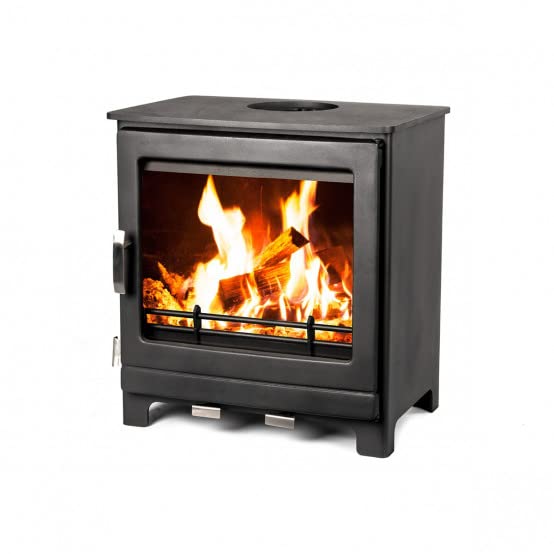
If you own a wood-burning fireplace it is recommended to remove the ashes regularly and store them outside in a container made of metal. Keep the flue open while you are igniting a fire and burning wood. This will prevent the accumulation in your chimney of creosote or other toxic substances.
Children should always be supervised when using the wood stove. They should be taught to keep at least a foot away from it. It is also crucial to keep an extinguisher for fires of class A close to the wood stove in case of an emergency. Pyrography is a great activity, but it's essential to adhere to safety guidelines to avoid burning injuries. Wear thick leather gloves whenever you're handling hot tools. Be careful when handling the tweezers included with some wood-burning instruments. They can be extremely hot. If you aren't sure if the tool is hot or not, you can hold it in your hand for a few seconds to determine if it's warm.